Company Blog
A letter from Catalyst's CEO
Discover Catalyst's vision for workplace transformation through gender partnership and mutual accountability with research-backed diversity solutions.

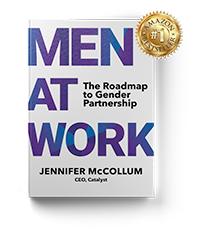
Gender partnership occurs when people, regardless of gender, work together to create a more inclusive culture where everyone can thrive. It brings men into the conversation as full partners in building inclusive workplaces and fair talent systems that work for all.
Across 12 countries surveyed by Catalyst, nearly all men reported experiencing anxiety at work from struggling to adhere to restrictive and stereotypical gender norms. This lack of psychological safety made it difficult for them to express themselves fully at work.
The solution is gender partnership, which allows men to showcase their vulnerability, empathy, and desire for work-life harmony alongside their strength, assertiveness, and professional drive. This new approach shifts away from outdated conversations that ignore, blame, and inhibit men from expressing their full humanity in the workplace.
Gender partnership benefits everyone, not just women. When people across lines of gender thrive, businesses reap the benefits — with greater employee productivity, retention, and innovation.
Learn more about why companies need to engage in gender partnerships.
For decades, men have been an untapped resource in advancing gender inclusion in the workplace. Most men want their workplaces to be more fair and they would like to be part of making that happen. The problem? They don’t know how to speak up, they lack the confidence to act on their convictions, or they fear repercussions if they do. Bringing men into the conversation through strategic initiatives allows all employees to show up authentically, feel empowered, and engage more deeply with their work.
Allyship means doing the hard work to actively support people from marginalized groups—often those with whom you have relationships or who are in your sphere of influence. Potential allies often get caught up in doing or saying the wrong things, but true allyship aims for progress, not perfection.
Men are under immense pressure to be tough, confident, and aggressive at work—which can harm their mental and emotional health. Catalyst research demonstrates that 87% of men would prefer to work in environments that allow them to express empathy and kindness. Challenging these stereotypes and allowing men to bring their whole selves to work through initiatives like International Men’s Day can foster improved well-being and promote equity for all.

“Don’t show your emotions. Always be confident. Have the last word.”
Most men have dealt with these rigid cultural norms in the workplace — and they fear social and career repercussions if they cannot uphold them. In this roundtable discussion, Catalyst staff discuss why fear is a significant barrier for men’s engagement, and why gender partnership presents an alternate path forward.