
Unleash the Catalyst Effect.
Accelerate progress for women in your workplace. Catalyst brings 60 years of unparalleled expertise, thought leadership, and actionable solutions to your organization today.
We Drive Gender Equity From the Front Line to the C-Suite
Catalyst is spearheading the workplace equity movement with global companies, our Supporter organizations, headquartered in the US, Canada, and Europe, to drive change at all levels.
Join 450+ Supporter organizations across 14 countries and 42 industries
UNLOCK COMPANY-WIDE ACCESS TO 400+ TOOLS, PRODUCTS, EVENTS, AND WORKSHOPS
GAIN CONFIDENCE IN EXECUTING DIVERSITY, EQUITY, AND INCLUSION
Outpace your global peers in gender representation at all levels

OUR FOCUS AREAS
We support your global DEI transformation and improve your gender equity by upskilling your business leaders and DEI practitioners through groundbreaking, intersectional research, as well as innovative products, solutions, and access to communities of experts.
Expand Gender Partnership

Accelerate gender partnership by engaging men through our transformative Men Advocating Real Change initiative (MARC).
Empower Change From Within
Enable DEI practitioners, advocates, and ERG leaders with tools and playbooks, no matter where you are on your DEI journey.
Bring Equity to the Front Line
Attract, retain, and
develop women in frontline
roles with cutting-edge
tools, practices,
and resources.
Ensure an Equitable Future of Work
Future-proof your culture with insights on the newest workplace equity issues, from responsible AI to return-to-office policies.
Equip Leaders to Harness DEI strategy
Embed DEI into your business strategy and equip your leaders to shift cultures and model inclusive behaviors.
Advance Antiracism
Start dismantling racism in your workplace by exploring what it looks like, how it affects people from marginalized racial and ethnic groups, and how you can be an ally.

Hear From Your Colleagues
We’ve worked with companies across 42 industries and 14 countries to create lasting change.

A Global Community
We are building a community of DEI champions to unleash the Catalyst Effect—a powerful wave of systemic change that will impact generations to come.
Employee Resource Groups
Business or Employee Resource Group (BRG/ERG) leaders and DEI experts work together to create more equal, inclusive organizations.
CEO Champions For Change
A group of 80+
CEOs who have made
personal and organizational commitments to measuring and benchmarking progress.
Expert Community
This community of select Supporter organizations is at the forefront of engagement and collaboration with Catalyst, making a big impact.
Men Advocating Real Change Alumni
Participants of Men Advocating Real Change (MARC) programs become change agents in their organizations and communities.
Latest Insights
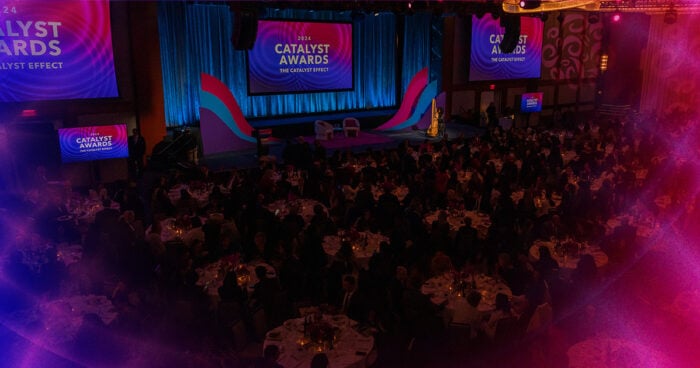
Expand your knowledge about diversity, equity, and inclusion with in-person and streaming events, conversations, and roundtables.
Supporter-only Resources
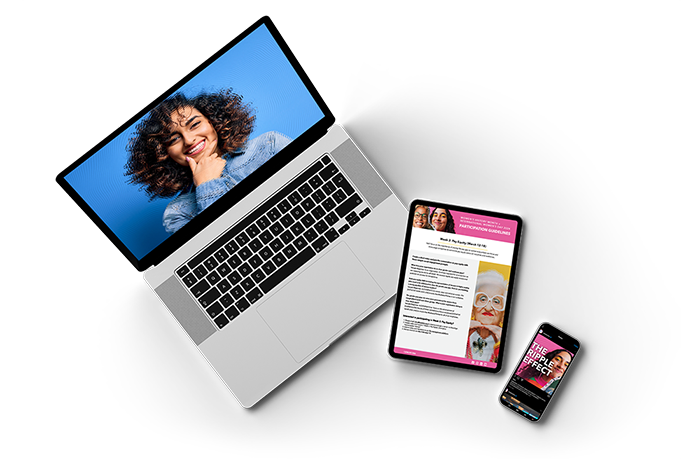
Upskill your workforce on diversity, equity, and inclusion issues with our exclusive trainings, toolkits, and guides.


Ready to Make an Impact?
Start accelerating your organization’s gender equity and DEI impact today. Catalyst works with Global 500 companies in the US, Canada, and Europe (which we call Supporters), providing them research-based insights, training and resources to quickly upskill on making workplaces inclusive, respectful and rewarding.